Crafting Woodwork: Expert Advice for Beautiful and Durable Creations
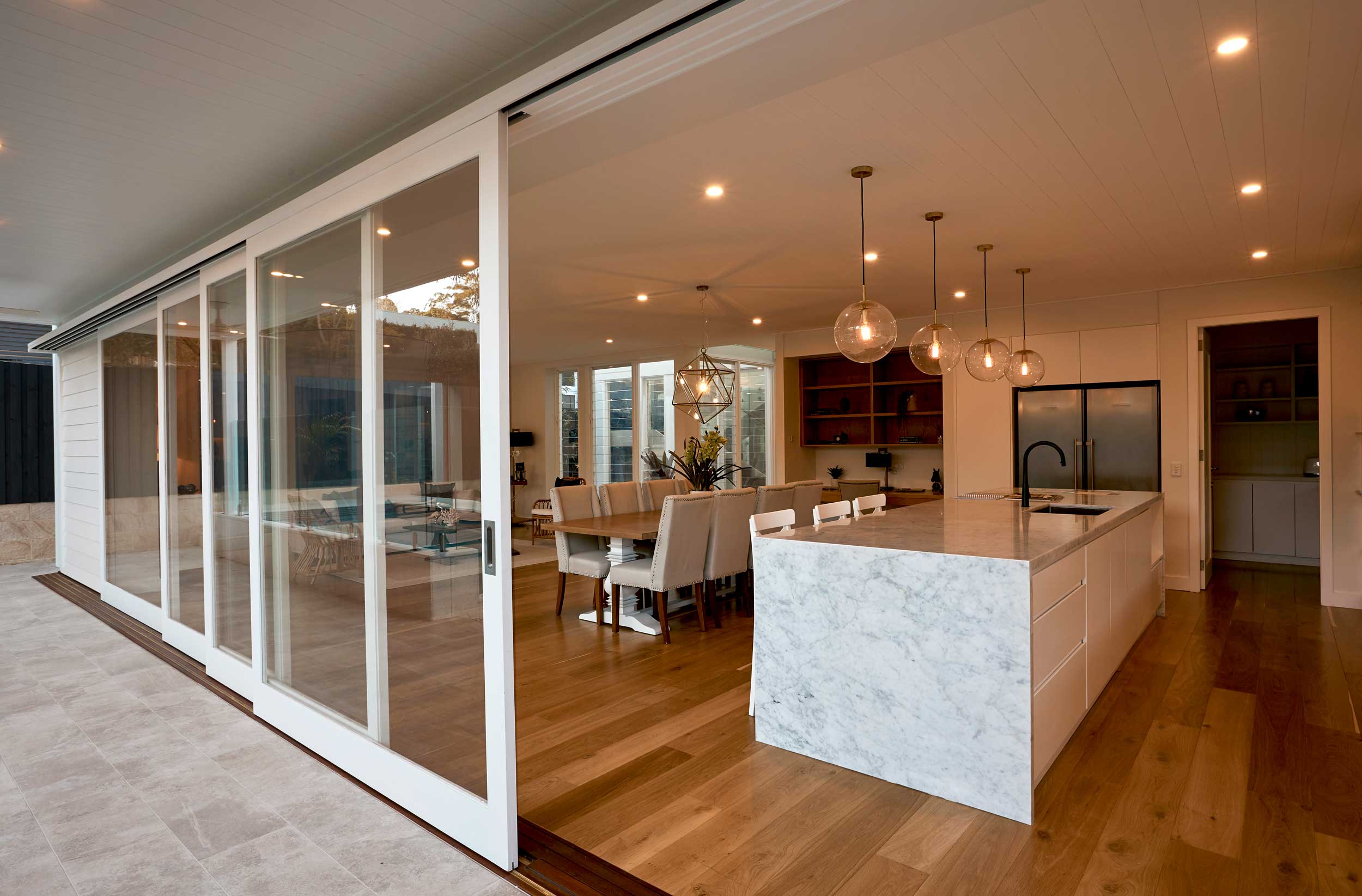
Woodworking is more than just a
craft—it’s an art form that combines skill, creativity, and precision to
transform raw timber into functional and beautiful pieces. For those passionate
about creating lasting furniture, décor, or structural elements, understanding
the nuances of woodworking is essential. At Sydney Woodworkers, we believe that
mastering these techniques not only enhances the aesthetic appeal of your
creations but also ensures their longevity.
The first step in successful
woodworking lies in choosing the right type of wood. Each species has its own
characteristics, including hardness, grain patterns, and durability. Hardwoods
such as oak, maple, and cherry are prized for their strength and resistance to
wear, making them ideal for furniture that must endure daily use. Softwoods
like pine and cedar are easier to shape and are well-suited for decorative
pieces or projects that require intricate carving. Understanding the properties
of the wood you select allows woodworkers to predict how it
will respond to cutting, sanding, and finishing.
Preparation is another cornerstone of
quality woodworking. Measuring accurately and planning every cut carefully
prevents mistakes that can compromise both the appearance and structural
integrity of the final piece. Skilled woodworkers know the value of taking time
at the design stage to consider dimensions, joinery, and the overall functionality
of the piece. Using precise tools such as squares, calipers, and marking gauges
ensures that each component aligns perfectly, which is especially important
when working on projects like cabinets or tables that require tight-fitting
joints.
Joinery techniques are often what
distinguish a simple wooden item from a truly professional creation. Classic
methods like mortise and tenon, dovetail, and finger joints provide both
strength and elegance. Each technique has its place depending on the project’s
requirements. For instance, dovetail joints are commonly used in drawer
construction for their exceptional durability and decorative appeal. Mortise
and tenon joints are favored in frame construction due to their ability to bear
significant weight. Learning these techniques and applying them with precision
is essential for woodworkers who want to produce pieces that will last for
generations.
Proper sanding and finishing are
equally crucial in achieving a polished final product. Sanding smooths out
rough surfaces, removes minor imperfections, and prepares the wood for staining
or painting. Experienced woodworkers understand that sanding should progress
gradually, using finer grits to achieve a uniform surface. The choice of
finish—whether it’s oil, varnish, lacquer, or wax—affects not only the
appearance of the wood but also its resistance to moisture and wear. A
carefully applied finish can highlight the wood’s natural grain, enrich its
color, and protect it from environmental factors.
Safety should always be a priority in
any woodworking endeavor. Woodworkers work with sharp tools, heavy machinery,
and potentially hazardous chemicals. Wearing protective gear, maintaining a
clean and organized workspace, and following proper tool-handling techniques
reduces the risk of accidents. Beyond safety, discipline and patience play a
significant role in successful woodworking. Rushing through a project can lead
to mistakes that are costly both in time and materials. Thoughtful planning and
attention to detail are what transform raw wood into a masterpiece.

Innovation also has a place in
traditional woodworking. Modern woodworkers near me often blend
time-honored techniques with contemporary tools and technology. Power tools,
CNC machines, and laser cutters can expedite repetitive tasks and allow for
precision that is difficult to achieve by hand alone. However, the essence of
craftsmanship remains rooted in skill, intuition, and an understanding of the
material. Even with advanced technology, a discerning eye is needed to ensure
that the work maintains its aesthetic quality and structural integrity.
For woodworkers looking to refine their
craft, continuous learning is key. Observing the work of experienced artisans,
experimenting with new designs, and seeking feedback from peers can
significantly improve both technique and creativity. At Sydney Woodworkers, we
encourage both beginners and seasoned craftsmen to embrace a mindset of
lifelong learning. Each project presents an opportunity to explore new methods,
discover unique wood patterns, and challenge oneself to achieve a higher level
of craftsmanship.
Woodworking is also deeply rewarding
because it produces tangible results that combine beauty and functionality. A
handcrafted chair, a finely carved cabinet, or a bespoke dining table reflects
hours of dedication, meticulous attention to detail, and a connection to the
material itself. These pieces often carry personal significance, whether as
heirlooms, gifts, or functional art in one’s home. For professional
woodworkers, the satisfaction of seeing a project come to life and stand the
test of time is unparalleled.
In conclusion, crafting woodwork
requires a harmonious blend of knowledge, skill, and patience. From selecting the
right wood to mastering joinery, sanding, and finishing, each stage demands
careful consideration and attention to detail. By embracing both traditional
techniques and modern tools, woodworkers can create pieces that are not only
aesthetically pleasing but also durable and functional. At Sydney Woodworkers,
we are dedicated to supporting woodworkers in their pursuit of excellence,
offering guidance, inspiration, and expertise to help every project reach its
full potential. Whether you are just beginning your woodworking journey or
looking to elevate your existing skills, the art of woodworking offers endless
possibilities for creativity, craftsmanship, and enduring beauty.
Check out related articles on our
blog: timber windows


Comments
Post a Comment